

MONDAY JUNE 1, 2026
BREATHE IN: THE ROLE OF AIR IN A TRUE SANCTUARY
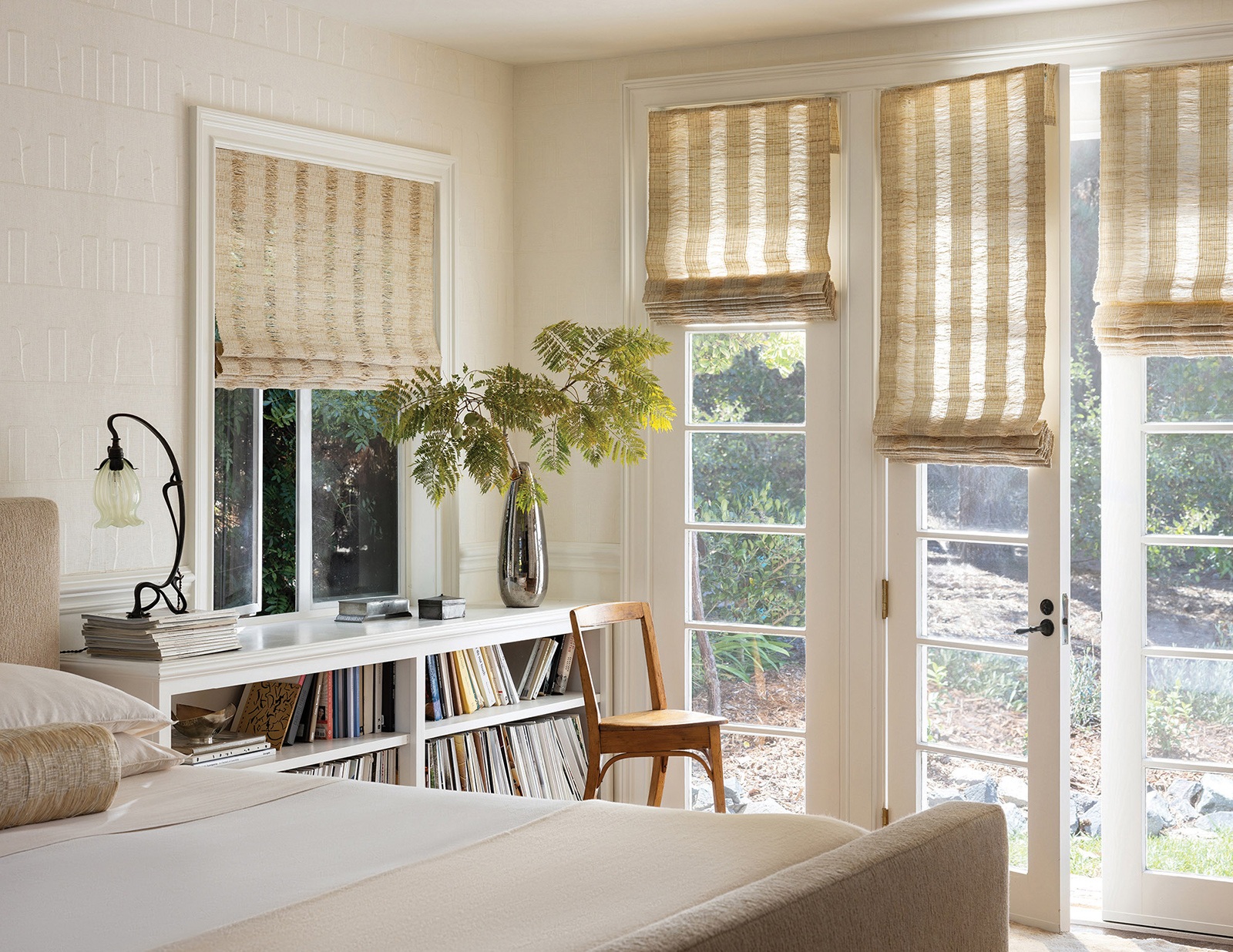
We think about the way a room looks. The way light moves across a wall. The texture of what we touch. But there is another layer of the home, one we rarely consider, yet feel instinctively. The air itself.
It shapes how a space lives. How we think, rest, and restore. In many ways, it is the most essential element of all.
The Invisible Layer of Design
A well-designed home engages the senses. It invites calm, encourages presence, and supports the rhythms of daily life. Yet air, though unseen, plays a quiet but powerful role in that experience.
In modern homes, especially those built for efficiency, air can become still. Carbon dioxide levels rise simply from everyday living. Cooking, sleeping, gathering. Over time, this can leave a space feeling heavy or stagnant, even if everything looks beautifully in place.
It is not something we always notice immediately. Instead, we feel it in subtle ways. A lack of clarity. Restlessness. A room that does not quite feel as fresh as it should.
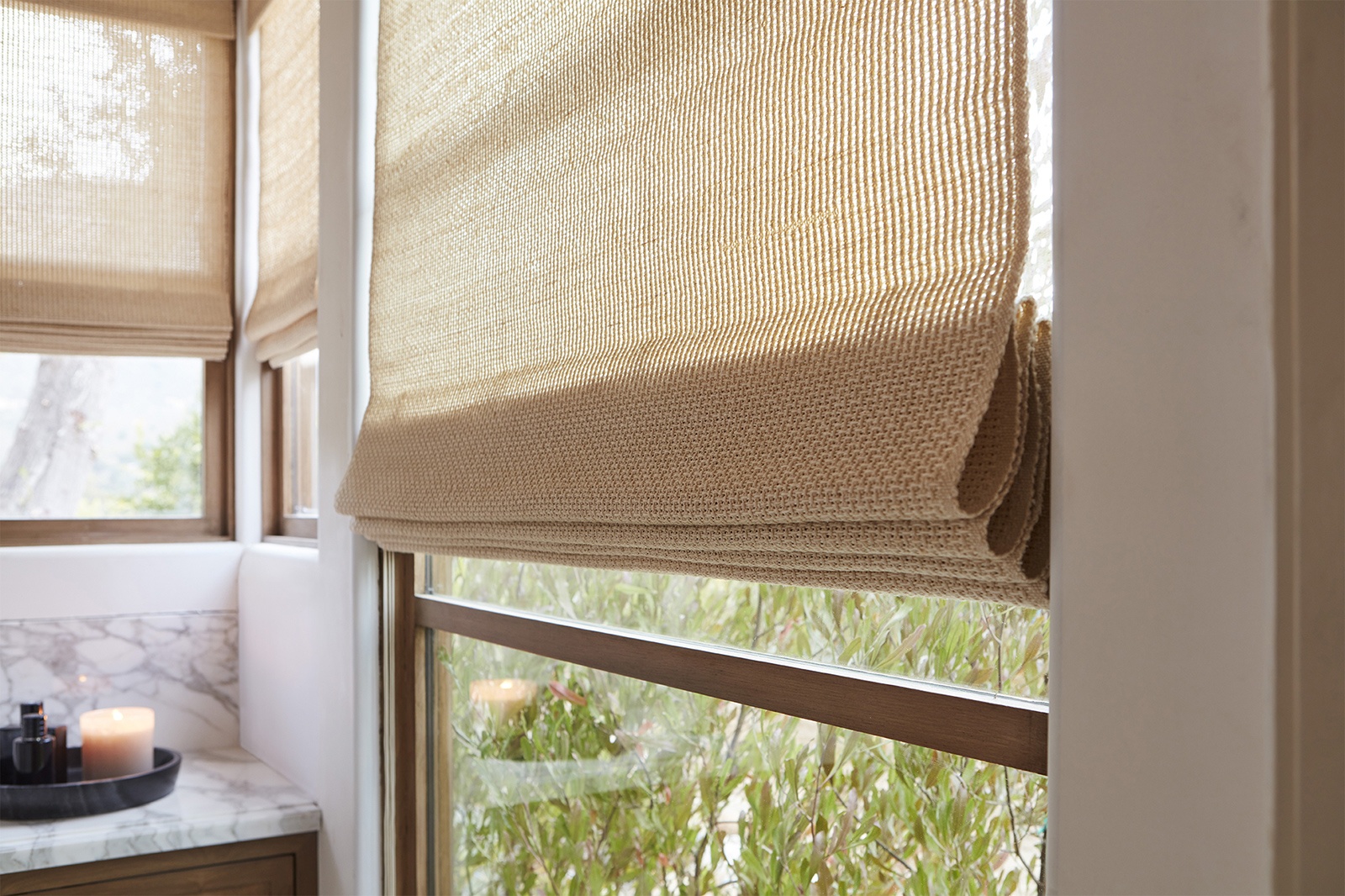
Studies have shown that carbon dioxide levels indoors can be two to five times higher than outdoor levels in enclosed spaces without proper ventilation.
Why Air Quality Matters
Air is deeply tied to how we function and how we feel.
When fresh air circulates, spaces feel lighter. More open. More alive. When it does not, the opposite can occur. Concentration can soften. Sleep can feel less restorative. The body senses what the eye cannot see.
This is not about perfection or control. It is about awareness. About recognizing that the atmosphere within a home contributes to its overall sense of well-being.

A Natural Perspective
In nature, air is never still. It moves gently through trees, across water, and along open landscapes. This quiet movement is part of what makes outdoor environments feel so restorative.
Biophilic design draws from this understanding. It considers how we can create interiors that echo the conditions in which we naturally thrive. Light that shifts throughout the day. Materials that feel organic to the touch. Spaces that allow for breath and flow.
Air, in this context, is not separate from design. It is part of it.
Designing for Better Air
Creating a healthier indoor environment does not require complexity. Often, it begins with small, intentional choices.
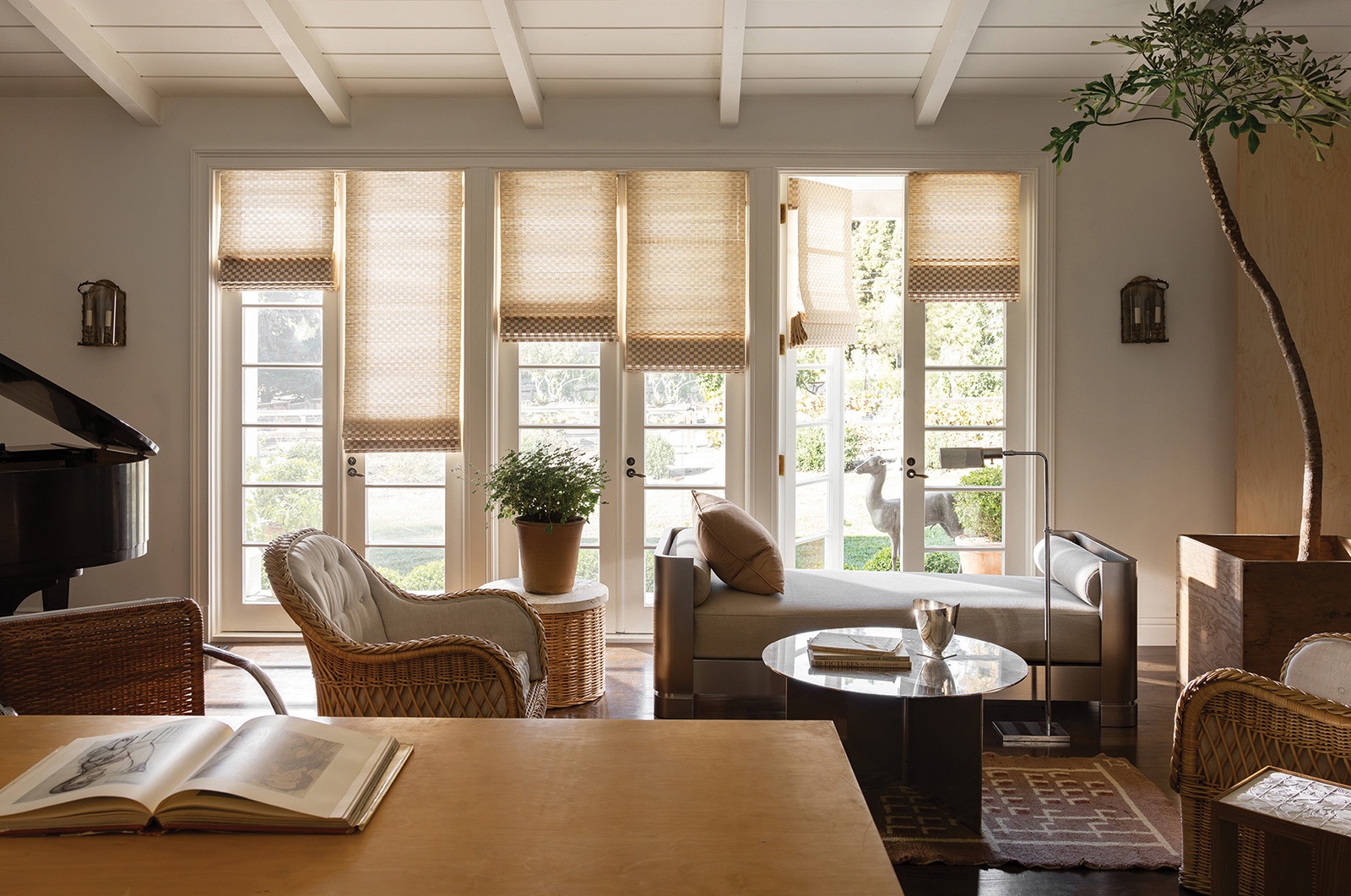
Opening windows at the start or end of the day can invite a gentle exchange of air. Allowing cross ventilation, even briefly, helps refresh a space in a way that feels immediate and grounding.
Considering how air moves through a room can also shape how it is arranged. Open pathways, layered textures, and thoughtful placement all contribute to a sense of ease and circulation.
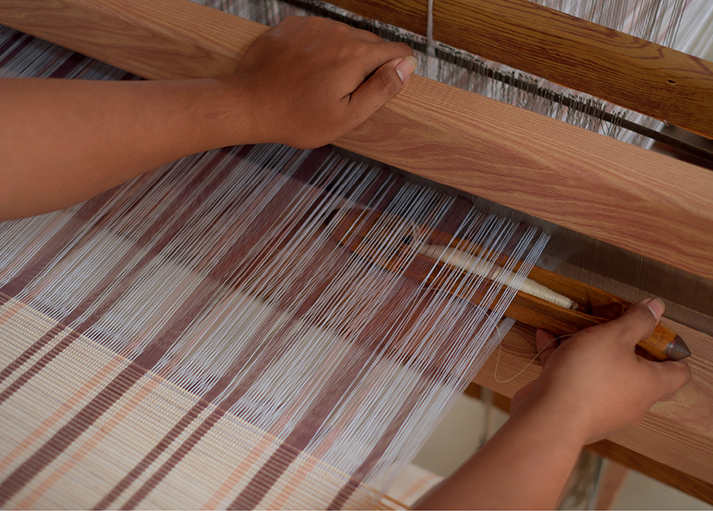
Materials matter as well. Natural fibers and woven materials support a home that feels lighter, rather than sealed. They allow a space to respond to its environment, rather than resist it.
Even the simple presence of greenery can shift how a room feels. Not as a singular solution, but as part of a broader connection to the living world outside.
A Space That Breathes
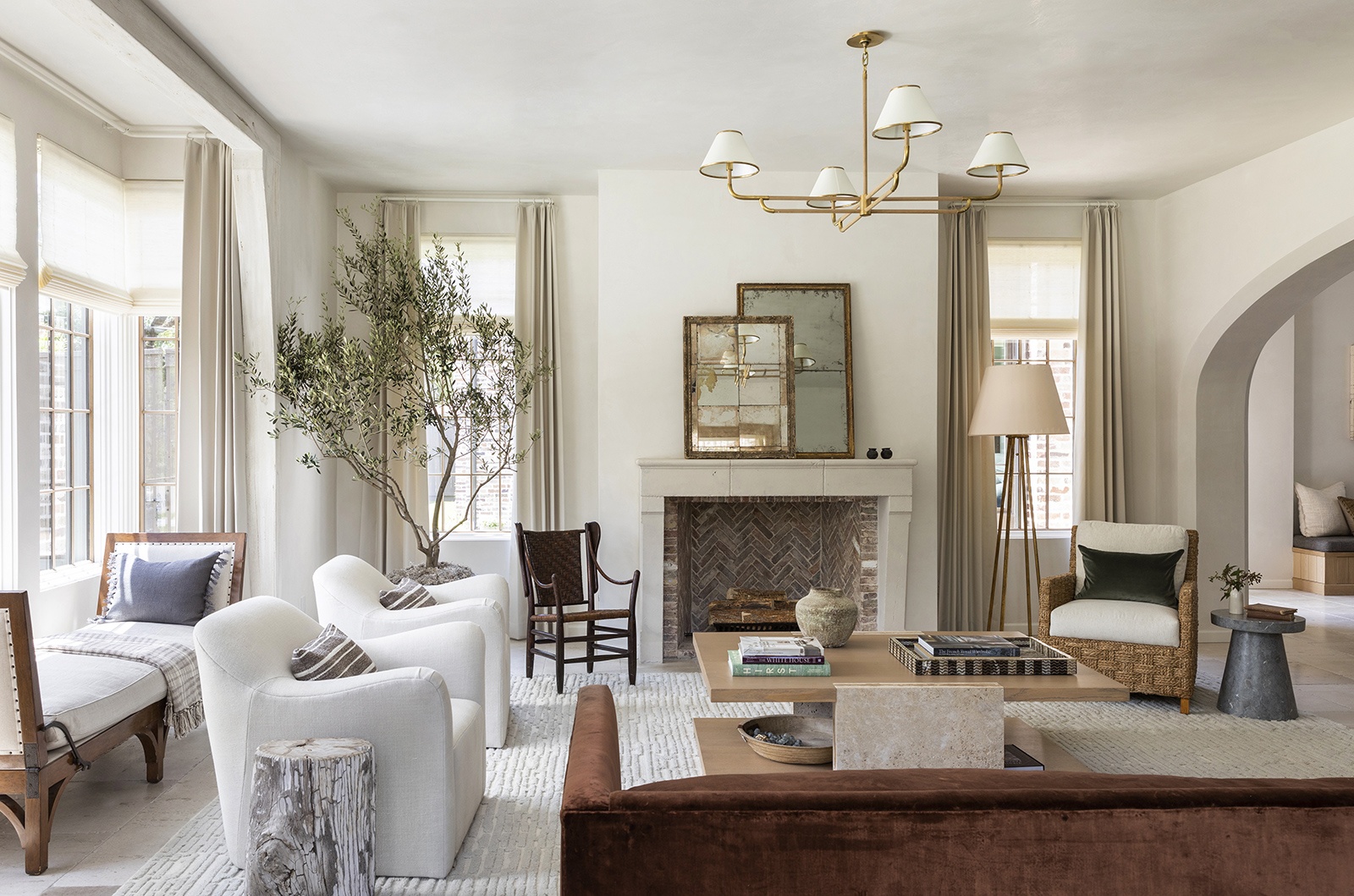
A true sanctuary is not only something we see. It is something we feel.
It is the comfort of a room that supports rest. The clarity that comes from fresh air moving softly through a space. The sense that everything is working in harmony, even the elements we cannot see.
When we begin to consider air as part of the design, the home becomes something more. Not just a place of beauty, but a place of renewal.
A place to breathe.